
Quick answer: Pakistan protects women from harassment under two main laws. The Protection Against Harassment of Women at the Workplace Act 2010 (amended in 2022) requires every organisation to have a written policy and a three-member inquiry committee. PECA 2016 covers online harassment such as cyberstalking, blackmail and sharing private images. Cyber harassment is reported to the NCCIA; workplace harassment goes to the inquiry committee or the Federal Ombudsperson (FOSPAH).

Safe workplaces and women harassment in Pakistan
It is the role of all the public and private organizations in Pakistan to ensure that they provide safe and respectful working conditions and also ensure the safety of women against harassment. As digital interaction grows and more people adapt to new working conditions, the significance of a complex set of policies to address the issue of Women Harassment in Pakistan at the workplace, including cyber harassment, has never been as significant. This comprehensive resource is a full guideline that is in line with the Pakistani laws, workplace policies, and cyber protection policies to assist institutions to protect the dignity, rights, and safety of women.
Learning about women harassment in Pakistan
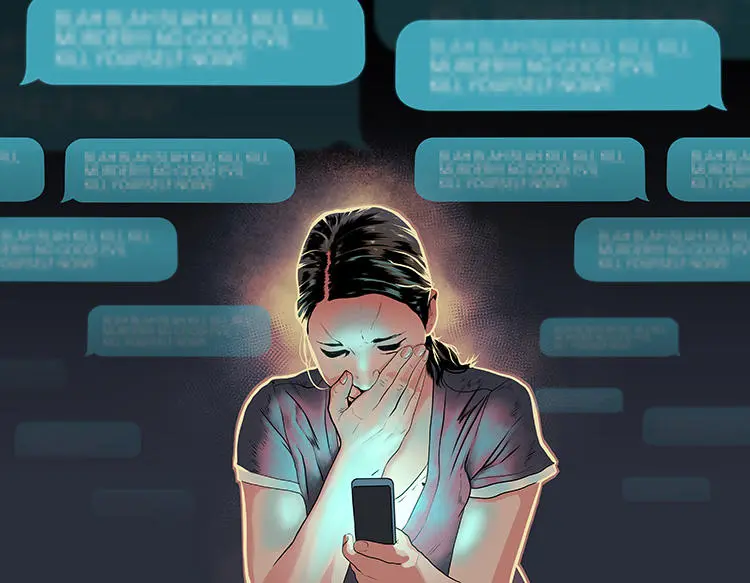
Harassment refers to any undesirable verbal, physical, psychological, or electronic behavior that subjects women to an environment of hostility, fear or any action that is offensive. Several types of harassment are accepted in Pakistani law:
- Protection against Women Harassment in Pakistan at the workplace act, 2010, protection against harassment of women in the workplace.
- Cyber harassment according to the Prevention of Electronic Crimes Act, 2016..
- Sexual violence and abuse in accordance with the appropriate provisions of the Pakistan Penal Code.
An effective policy will be clear, transparent and have mechanisms of prevention and response.
The Women Harassment in Pakistan Legislation
Protection against women harassment in Pakistan at the workplace act, 2010.
This Act directs that any organization should:
- Provide a written harassment policy.
- Create a 3-member Inquiry Committee (with at least 1 woman in it).
- Post the policy in strategic places.
- Offer good complaint facilities.
- Carry out investigations in 30 days.
- Introduce disciplinary measures depending on the results.
It legally conducts the definition of women harassment in Pakistan including verbal, physical, psychological, and gender-based bullying in workplaces.
Prevention of Electronic Crimes Act (PECA), 2016
PECA touches on technology based harassment, which includes:
- Cyberstalking
- Identity theft
- Image sharing which is not a matter of consent.
- Defamation
- Threats and blackmail
- Personal information is accessed without authorization.
- Digital surveillance
It allows women to sue online harassment and this is one of the ways to preserve their safety even in cases when cyber threats are not confined to the office environment.
Basic Building Blocks of a Successful Women harassment in Pakistan Policy
Zero-Tolerance Declaration
We have a zero-tolerance policy for harassment of any kind: verbal, physical, written or digital. No employee, manager or client is exempt. verbal, physical, written, and digital. There is none that is exempt of the employees, clients, supervisor, contractor, and visitor. All should respect, be equal, and professional.
Policy Scope
This policy is applicable in all harassments that occur:
- On the physical workplace grounds.
- When in fieldwork or making duty visits.
- Online work-related areas.
- By emails, messages or through calls.
- In the social media or online.
- During events, traveling, or organization events.
An example of cyber harassment that takes place outside the working time, yet has an impact on the safety or dignity of a woman, falls fully under this policy.
Definition and Type of women harassment in Pakistan
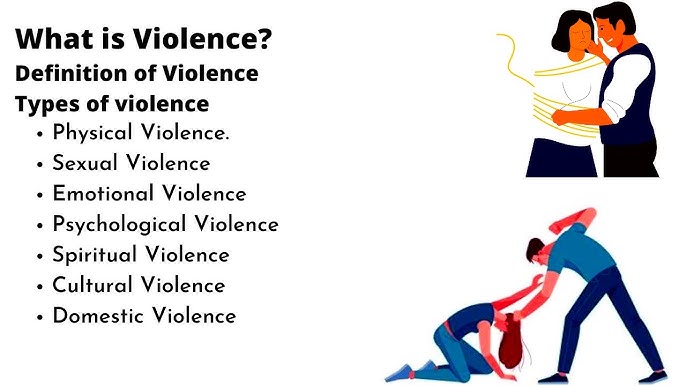
Physical Harassment
- Unwanted touching
- Invasion of personal space
- Restricting movement in a direction or preventing it.
Verbal Harassment
- Gender-based insults
- Sexual jokes or comments
- Threats or abusive language
Psychological Harassment
- Intimidation
- Public shaming
- Character assassination
- Retaliatory behavior
Sexual Harassment
- Explicit suggestions
- Demands for sexual favors
- Sexual gestures or advances
Cyber Harassment
- Threatening messages
- Fake profiles
- Deepfakes and manipulated information.
- Cyberstalking
- Illegal image and information sharing.
- Internet blackmail and extortion.
- Unconsented spreading of personal information.
The present-day harassment policy should incorporate the digital misconduct to safeguard women both in the real world and the cyberspace.
Mechanism of Complaint Reporting
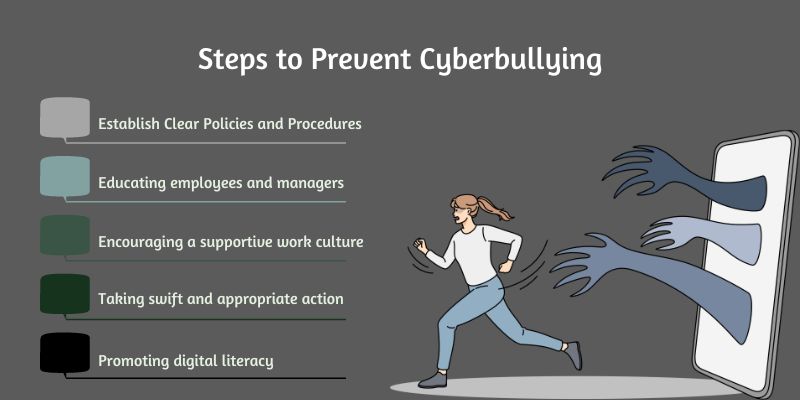
Step 1: Submitting a Complaint
The women can file complaints via:
- Written application
- Online reporting portal
- A designated harassment support officer
Complaints can be made under revealing or without identifying identity, but anonymous complaints have to be supported by evidence.
Step 2: The duties of the Inquiry Committee
The Inquiry Committee at workplace should:
- Respond to complaints as soon as possible.
- Gather evidence, interviews and statements.
- Preserve confidentiality
- No revenge should be meted out.
- Close the investigation in 30 days.
- Write a report containing suggested fines.
Step 3: Safeguarding of Complainants
The interim protective measures can include:
- Relocation of work place or manager.
- The involved parties may be temporarily relocated.
- Compensated leave of the complainant.
- Limited access to suspects.
- Confidentiality safeguards
- Cyber harassment support through cyber protection.
Step 4: Disciplinary action against Misconduct
Penalties may be in the form of:
- Written apology
- Salary reduction
- Dismissal of supervisory position.
- Suspension
- Termination
- Blacklisting
- CRM in PECA or Penal Code.
In the case of cyber women harassment in Pakistan , the other measures can be to file a report to NCCIA / FIA Cyber Crime Wing.
Cyber Harassment Threats Women Face Online

With the prevalence of cyber harassment in this country, companies should come up with strict policies that will guard the online presence of women.
Identification of the Cyber Harassment Threats
Women face threats such as:
- Manipulation of deepfakes images.
- Fake social media accounts
- Data theft
- Online stalking
- Cyberbullying
- Sexual extortion
- Revenge porn
- Impersonation
- Dissemination of personal photographs.
Such threats usually spill over into physical injury.
Digital Safety Protocols
To ensure online protection:
- Use strong, unique passwords
- Turn on biometric authentication.
- Do not post personal information on the Internet.
- Lock mobile telephones and laptops.
- Restrict image and personal information.
- Scrutinize privacy settings on social media on a regular basis.
- Do not use suspicious links or president messages.
- Record electronic records of harassment.
The organizations are advised to encourage responsible Internet usage and do frequent training on cybersecurity awareness.
How to Report Harassment in Pakistan
Workplace harassment
- File a written complaint with your organisation’s Inquiry Committee. Every employer must have one, with at least one woman member.
- Or complain directly to the Federal Ombudsperson for Protection Against Harassment (FOSPAH), or your provincial ombudsperson, without going through your employer.
- Keep copies of everything: messages, emails, dates and the names of witnesses.
Cyber harassment (online)
- Don’t delete the evidence. Take screenshots showing the profile URL, the date and the time.
- Report the account to the platform (Facebook, Instagram, WhatsApp, TikTok).
- File a complaint with the National Cyber Crime Investigation Agency (NCCIA), which replaced the FIA Cyber Crime Wing in 2025.
- For free, confidential support, call the Digital Rights Foundation Cyber Harassment Helpline: 0800-39393.
Developing a secure and welcoming Organizational Culture
Organizations are required to create a place that women feel appreciated and safe.
Training and Awareness
- Anti-harassment training of all employees.
- Cybersecurity workshops
- New employees oriented frequently.
- Supervisor training in leadership.
Policy Visibility
- Have display policy on all entrance doors and billboards.
- Incorporate policy in employee manuals.
- Email and internal portals share.
- Address once a year in performance reviews.
Behavioral Expectations
All employees must:
- Respect boundaries
- Communicate professionally
- Ethically act in both online and offline actions.
- Help fellow employees who feel harassed.
- Protect confidentiality of investigations.
Institutional Responsibilities
We commit to:
- Adopting severe discipline.
- Enhancing cyber security.
- Giving confidential counseling and support.
- Promoting justice to complainants and accused.
- Fostering gender equality and appropriate conduct.
- Frequently revising policies that are in line with the law.
Conclusion
Pakistan has clear laws against harassment, both at work and online. They only help when women know their rights and organisations take their duties seriously. Employers should have a written policy, a working inquiry committee and regular training. Individuals should protect their accounts and report incidents quickly, with evidence. For practical digital-safety steps, see our guide to Facebook phishing protection and the risks of AI image trends.
Disclaimer: This article is for general information and is not legal advice.
Frequently Asked Questions
What is the law against workplace harassment in Pakistan?
The Protection Against Harassment of Women at the Workplace Act 2010 is the main law. Every organisation must adopt a written code of conduct, display it at the workplace, and form a three-member inquiry committee that includes at least one woman. A 2022 amendment broadened the definition of harassment and the people protected.
How do I report cyber harassment in Pakistan?
Save screenshots of the messages, profile links and dates, then report the account to the platform. File a complaint with the National Cyber Crime Investigation Agency (NCCIA), which handles PECA cases and replaced the FIA Cyber Crime Wing in 2025. The Digital Rights Foundation helpline (0800-39393) offers free, confidential support.
What does PECA 2016 cover?
The Prevention of Electronic Crimes Act 2016 covers crimes committed online. That includes cyberstalking, sharing or threatening to share intimate images without consent, identity theft and fake profiles, online defamation, and blackmail. Penalties can include fines and imprisonment, depending on the offence.
Can I complain without going through my employer?
Yes. You can file a complaint directly with the Federal Ombudsperson for Protection Against Harassment (FOSPAH), or your provincial ombudsperson, instead of your organisation’s inquiry committee. This is useful when the harasser is senior or the committee doesn’t act.
What evidence should I keep for a harassment complaint?
Keep screenshots of messages and posts, with dates, times and profile URLs. Save emails, call logs and voice notes, and write down each incident with the names of any witnesses. Don’t delete chats or block the person before saving the evidence, because the original records help investigators.
How can women protect themselves from online harassment?
Use strong, unique passwords and turn on two-factor authentication. Keep social media profiles private and avoid sharing your phone number or location publicly. Don’t send intimate images, and review app permissions regularly. If someone threatens you, save the evidence and report it to the platform and the NCCIA immediately.



do you have the online link for complain?
https://fia.gov.pk/complaints_dept