
VPN reviews
A VPN (virtual private network) encrypts your internet traffic and hides your IP address, protecting you on public Wi-Fi and keeping your browsing private from your internet provider and trackers. But VPNs are not all equal. Some keep logs despite “no-logs” marketing, leak your real IP through DNS, or slow your connection to a crawl.
At Cracking Station, VPNs are reviewed from a cybersecurity practitioner’s point of view by Mehmood Ali, a certified CEH and CEI instructor. Every review covers:
- Privacy and security: encryption, audited no-logs claims, kill switch, DNS and IP leak protection, and company jurisdiction
- Real-world performance: speed, server coverage, streaming access and use in restrictive countries
- Value: first-term pricing versus renewal pricing, money-back guarantees and device limits
- Usability: setup on Windows, Android, Linux and Kali, plus fixes for common errors
Our VPN reviews
- NordVPN Review: is it safe, fast and worth it?
- ExpressVPN Review: download, installation and performance
- CyberGhost VPN Review: an honest look at value and privacy
- Best VPN for Android: 10 apps tested and ranked
Frequently asked questions
Are free VPNs safe?
Most free VPNs are not a good choice for privacy. They often limit speed and data, show ads, or make money by collecting and selling user data. A reputable paid VPN with an independently audited no-logs policy is the safer option.
What should I look for in a VPN?
Look for strong encryption, an audited no-logs policy, a kill switch, DNS leak protection, good speeds and fair renewal pricing, not just a cheap first-year deal.
Do I need a VPN for TryHackMe or Hack The Box?
Those platforms use their own OpenVPN configuration files to connect you to their labs. See our VPN setup guides for step-by-step instructions.
Some links in our reviews may be affiliate links. Our verdicts are based on hands-on testing, not commissions.
-
TunnelBear VPN Review 2026: The Friendliest VPN for Beginners?
Quick answer: TunnelBear is the easiest VPN for beginners in 2026.…
Read More » -
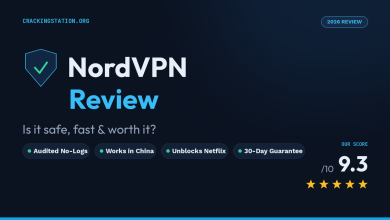
NordVPN Review 2026: Is It Safe, Fast & Worth It?
Disclosure: Some links on this page are affiliate links. If…
Read More » -
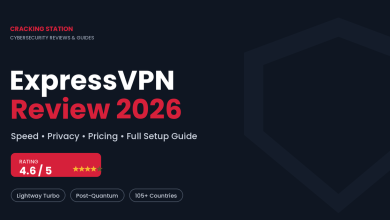
ExpressVPN Review 2026 – How to Download and Install?
Disclosure: Some links in this review are affiliate links. If…
Read More » -
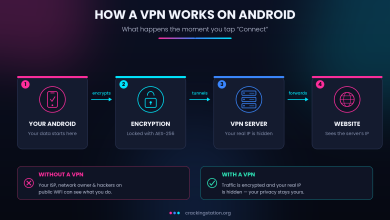
Best VPN for Android: 10 Top Apps Tested & Ranked (2026)
Disclosure: Some links in this review are affiliate links. If…
Read More » -
CyberGhost VPN Review-Honest & In-Depth Analysis
Disclosure: Some links in this review are affiliate links. If…
Read More »